Investment Strategies

Index funds, Roth IRAs, and 401(k)s — in the order that actually matters.

Practical, US-specific guidance on where to put each dollar, built around account types, tax treatment, and employer benefits rather than stock picking.

3.4% Avg. index fund expense ratio, 2005
0.03% Typical broad-market fund today
Foundation

Index Funds: The default engine for long-term growth
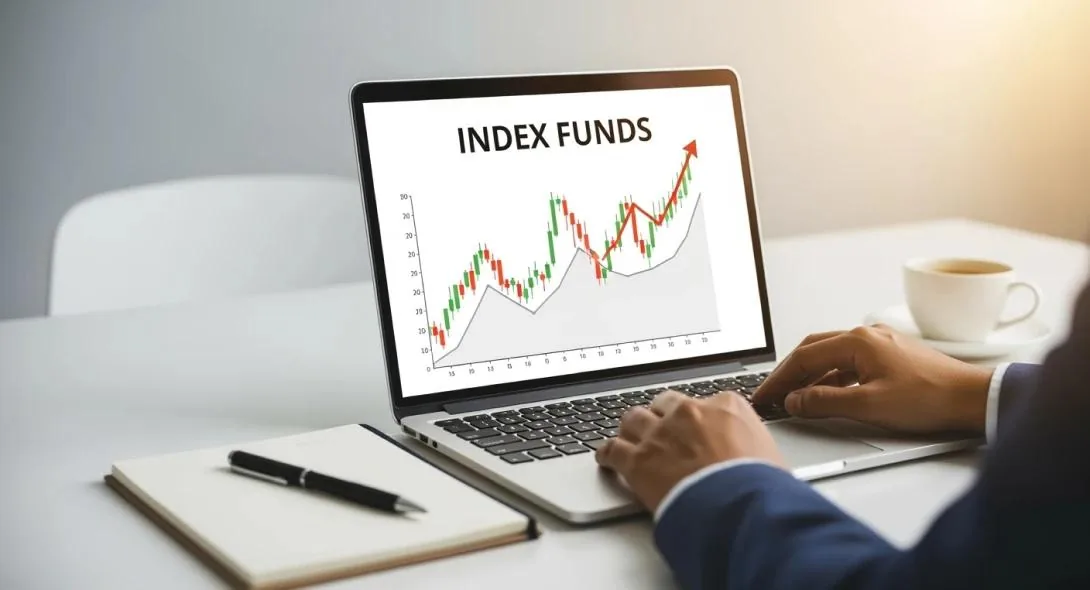
Index fund market growth chart

What an index fund actually owns

An index fund holds a basket of securities designed to track a benchmark, such as a total US stock market index, rather than betting on any single company. This spreads risk across hundreds or thousands of holdings in one purchase.
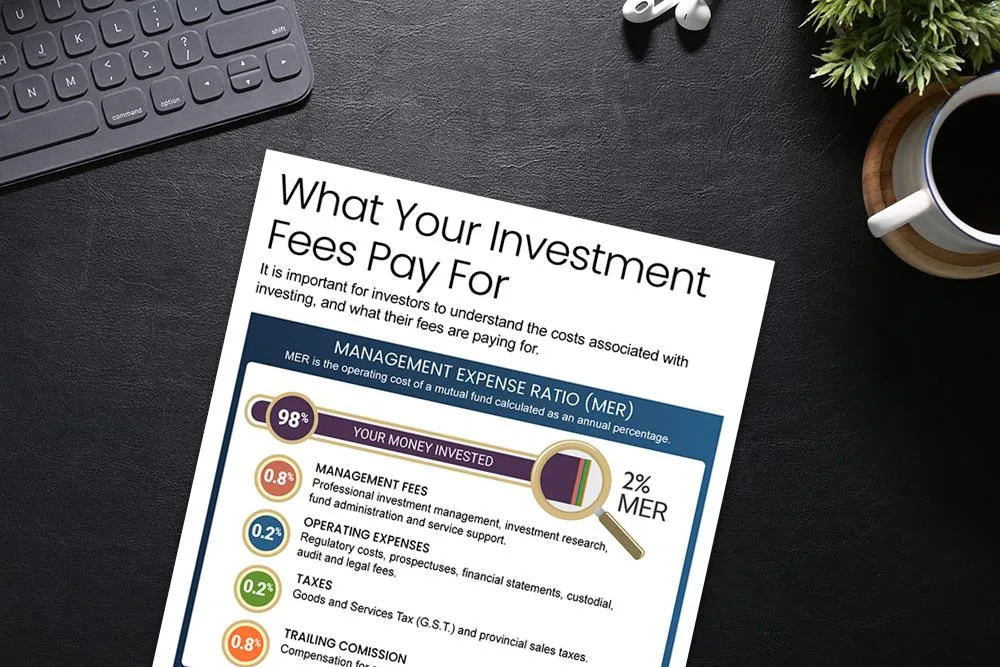
Investment fees and financial calculation

Why expense ratios compound

A 1% annual fee sounds small, but over three decades it can consume a meaningful share of total returns because the fee is charged on the full balance every year, not just on contributions. Comparing expense ratios before buying is one of the highest-leverage decisions an investor makes.
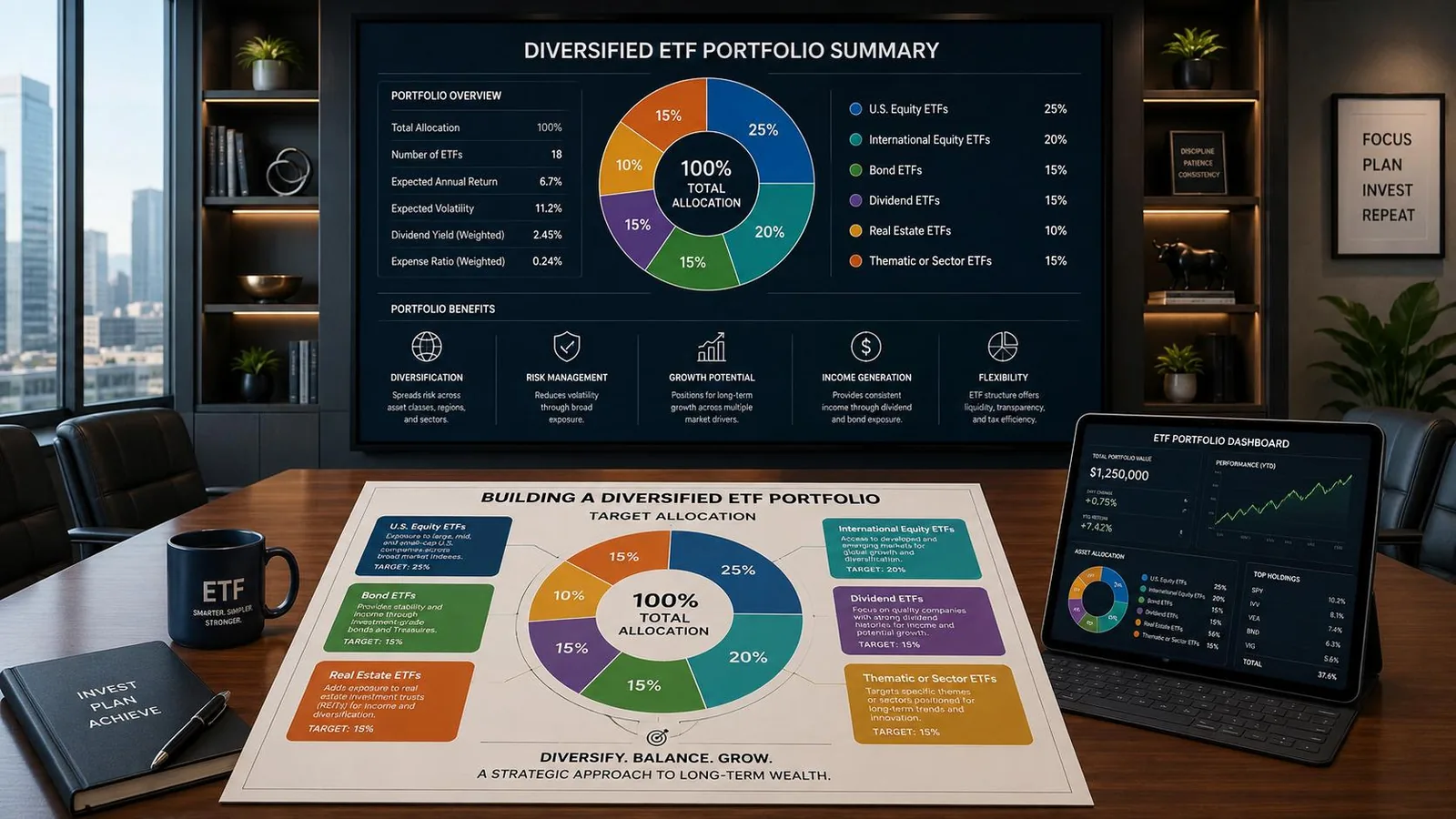
Diversified investment portfolio

Diversification isn't a guarantee

Spreading money across many holdings reduces the impact of any single company's collapse, but it does not eliminate market-wide risk. Index funds still fall when the broader market falls.
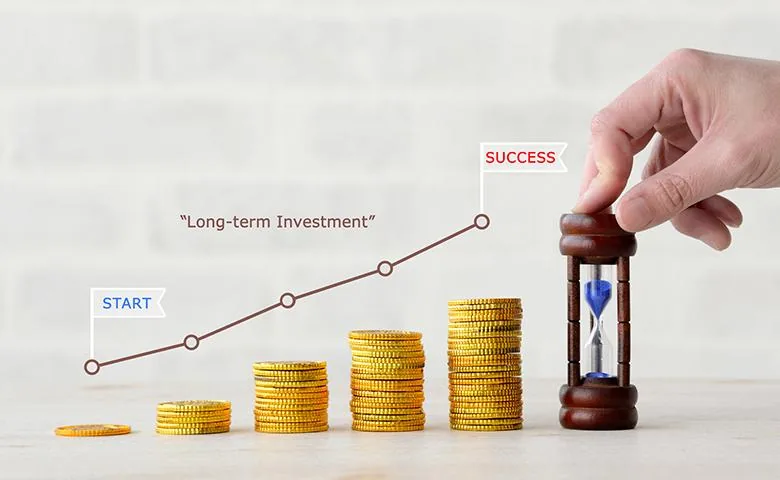
Long-term investment planning

Time in the market vs. timing it

Consistent contributions on a schedule, sometimes called dollar-cost averaging, remove the pressure of guessing short-term market direction and are easier to sustain over decades.


Retirement Accounts

Roth IRA vs. 401(k): Two different tax bets

Roth IRA

Contributions are made with after-tax dollars, so qualified withdrawals in retirement are tax-free. Roth IRAs have annual contribution limits and income phase-outs, and are opened independently of an employer.

Best when: you expect a higher tax rate later

Traditional 401(k)

Contributions are typically pre-tax, lowering taxable income today, with withdrawals taxed as ordinary income in retirement. Many US employers offer a partial match, which functions as an immediate return on contributions.

Best when: you want the employer match first

A common funding order US savers consider

Many financial educators discuss capturing the full employer 401(k) match first, since it is effectively free money, before deciding between maxing a Roth IRA or increasing 401(k) contributions further. Individual circumstances, including income phase-outs and cash-flow needs, can change this order — this is general education, not a personalized recommendation.

Cash Reserves

Where high-yield savings accounts fit

Emergency savings fund and financial planning

Emergency fund first

A high-yield savings account (HYSA) is generally used for short-term reserves — commonly discussed as three to six months of expenses — kept liquid and separate from long-term investments.

Interest rates and financial growth chart

APY vs. inflation

HYSAs pay a variable annual percentage yield that moves with broader interest rates. Comparing the current APY against inflation helps clarify real, after-inflation purchasing power.

Secure banking and savings account

FDIC insurance basics

Deposits at FDIC-member banks are insured up to $250,000 per depositor, per bank, per ownership category — a detail worth confirming directly with any institution before large transfers.